Why I left the bedside to build software
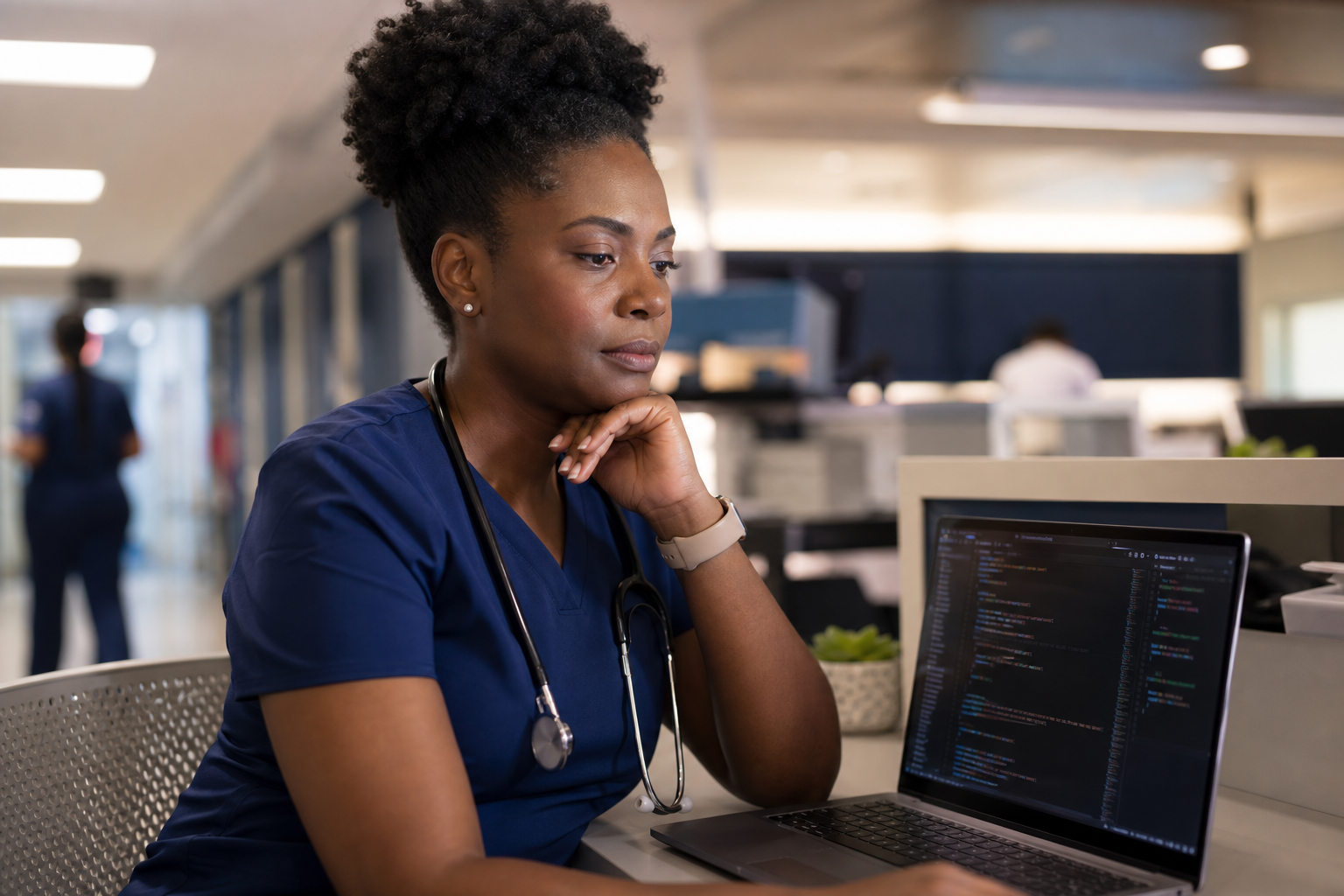
I am a nurse. I have been a nurse for twenty-one years: twelve at the bedside, then in leadership, education, and research.
I went into nursing because I wanted to help people. I stayed because the work itself, caring for patients and families, became the most meaningful work I have done.
When people ask why I left the bedside to build software, I usually start there.
I still care deeply about nursing. I started MyNursePal because I saw how often the systems around nurses made the work harder than it needed to be.
What I started noticing
I worked through three major record-system rollouts during my career. Each one was presented as an improvement over the last.
Each one promised to give nurses back time, reduce errors, and make care easier to coordinate.
Some parts improved, but many of the same problems stayed.
By the third rollout, I was paying closer attention to how nurses moved through the system during a shift.
I watched what happened when the workflow did not match the work in front of them. I watched the workarounds they created so care could keep moving.
Nurses memorized information the system should have made easier to find.
They carried paper notes for handoffs because the electronic version slowed them down.
They stayed late to document care they had already delivered hours earlier.
They clicked through alerts that created more noise than support.
The software was supposed to make the work easier.
Too often, nurses had to make the software work.
When software misses bedside work
A lot of healthcare software starts with documentation, billing, and compliance. Bedside workflow often comes later.
When software starts with the encounter, the charge, and the required record, nursing work can become something the system captures after the fact.
Nursing work is much larger than that.
Nurses deliver clinical care, coordinate across teams, educate families, notice changes, catch errors, and carry context across shifts, handoffs, follow-ups, and transitions.
When the software does not support that work directly, nurses fill the gaps themselves.
MyNursePal started with the care team’s workflow.
The goal is to support care as it happens, then let documentation follow from the work that was already done.
Why I decided to build it
For years, I assumed someone else was already working on this.
I came from nursing. I had a career. I had a family.
I did not see myself as a software founder at first.
Still, I kept seeing the same problems show up in different places.
I also saw healthcare technology companies with good intentions design around priorities that did not always match what nurses needed during a shift.
I decided to start building the kind of tool I had expected someone else to create.
I left direct patient care and started MyNursePal.
I learned about product, engineering, and company building.
I brought in people with the technical experience needed to help turn the idea into a real product.
The work has been difficult, and it has shown me how much better healthcare software can be when people who have lived the workflow are part of building it.
What I’ve learned
Nurses should be treated as primary users because they carry so much of the daily work of care delivery.
Physicians need workflows that respect their time and decisions too.
Care is team-based, and the software should support the whole team.
Patients and families need clearer visibility into what is happening with their care.
They should be able to ask questions, follow plans, and stay connected beyond the visit.
Care is moving across more settings: hospitals, clinics, homes, and communities.
Care across settings needs technology that can follow the patient and support the team wherever care is happening.
MyNursePal is being built with global care delivery in mind, including mobile-first teams, under-resourced communities, and settings where infrastructure looks different from large Western health systems.
Why I keep going
Leaving direct patient care did not change the way I see the work.
I still think about it through the lens of a nurse.
I think about my patients.
I think about the colleagues I worked with, including those still at the bedside and those who left because the work became too heavy.
I think about the next generation of nurses and the tools they will be expected to use.
Nurses deserve software that makes care easier to deliver.
Patients deserve care that stays connected.
Care teams deserve tools that fit the work instead of adding more work around it.
I left the bedside to build software because the tools around bedside care needed to change.
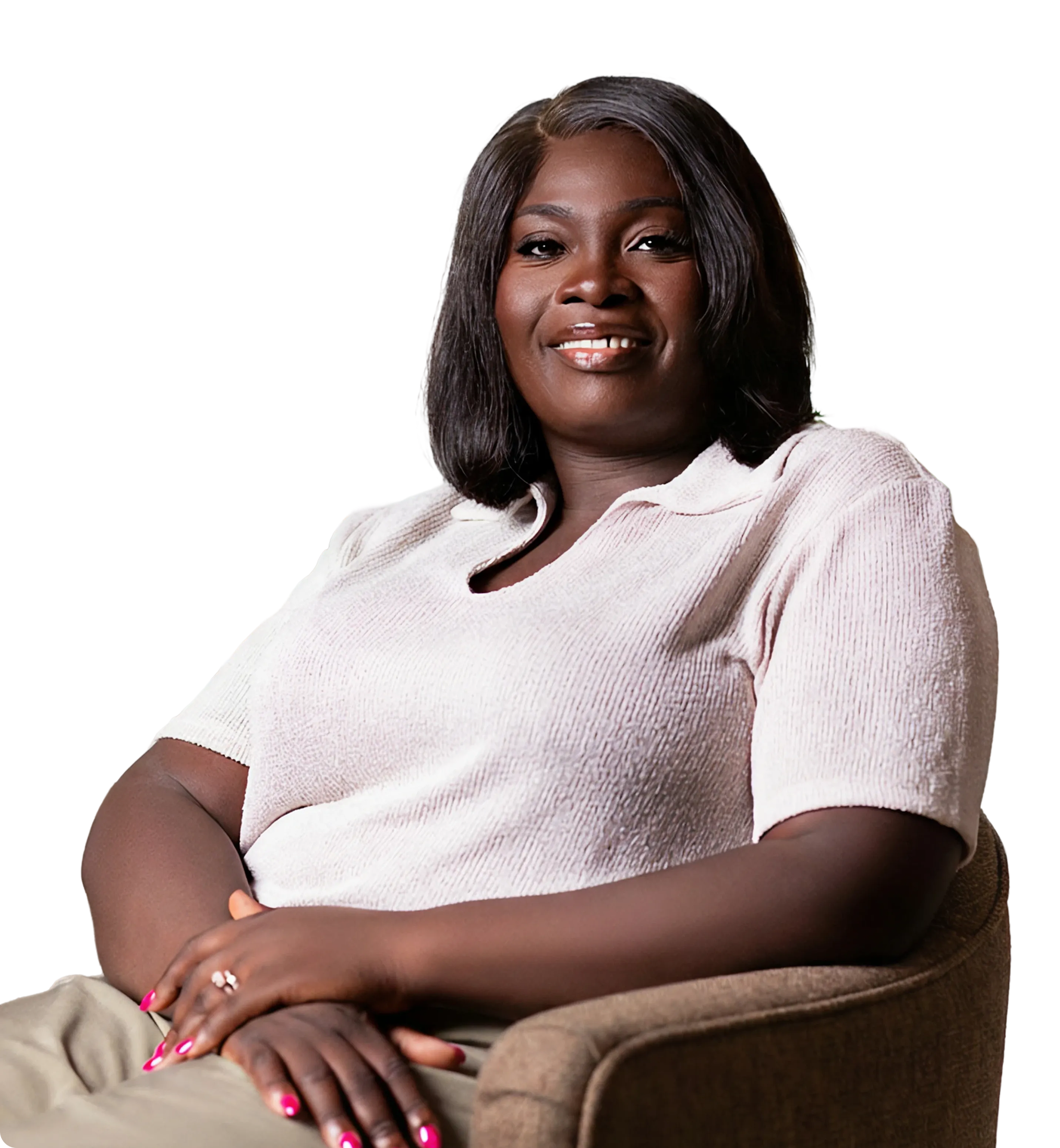
Sylvia Abbeyquaye, PhD, MPA, RN
CEO and Founder
Writing from inside the work, healthcare, infrastructure, and the future of care.

